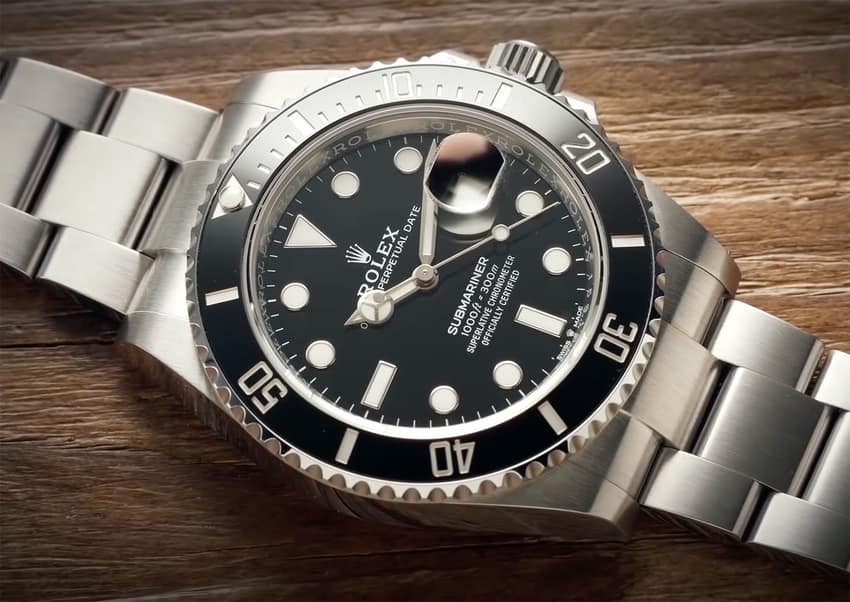
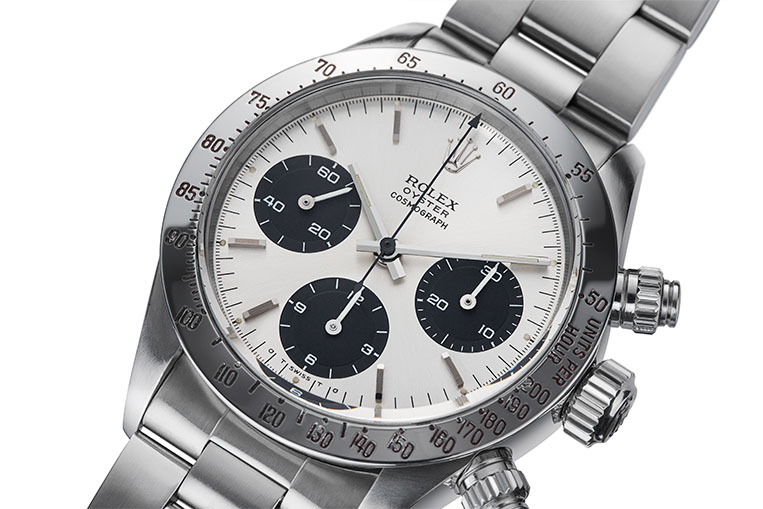
Almost every watch in the world is made of 316L stainless steel. Rolex uses 904L, which it renamed Oystersteel in 2018, and it is the only major manufacturer to do so at scale. The decision cost the company an entire retooling of its machining operation. Here is what it actually buys you.
What 904L is
904L is a superaustenitic stainless steel developed for the chemical industry, where it handles sulphuric acid. Against 316L it carries more chromium, considerably more nickel, added copper and molybdenum.
The practical consequences: significantly better resistance to pitting corrosion, particularly in salt water and chlorinated water, and a different response to polishing.
The polish is the visible difference
This is the part you can see. 904L takes a brighter, harder polish than 316L and holds it. A Rolex bracelet has a particular cold, white brilliance that 316L watches do not quite match, and it is why a genuine Oyster bracelet looks different from a well-made copy.
It also picks up hairline scratches like any steel. Bright does not mean hard.
What it cost Rolex
904L is harder to machine than 316L. It work-hardens, it chews through tooling, and it demands slower cutting speeds. Rolex re-equipped its case-making operation to handle it — an investment no other manufacturer at any volume has been willing to match.
That is the real story: not that 904L is a miracle alloy, but that a company chose a materially harder manufacturing route for a marginal improvement, and kept doing it for decades.
Does it matter to you?
Honestly: a little. If you swim in the sea in your watch regularly, the corrosion resistance is a genuine benefit over a lifetime. If you care how the bracelet catches the light, the polish is a genuine benefit every day.
If neither applies, 316L would have served you perfectly well. Nobody has ever had a 316L watch dissolve.
Where else Rolex does this
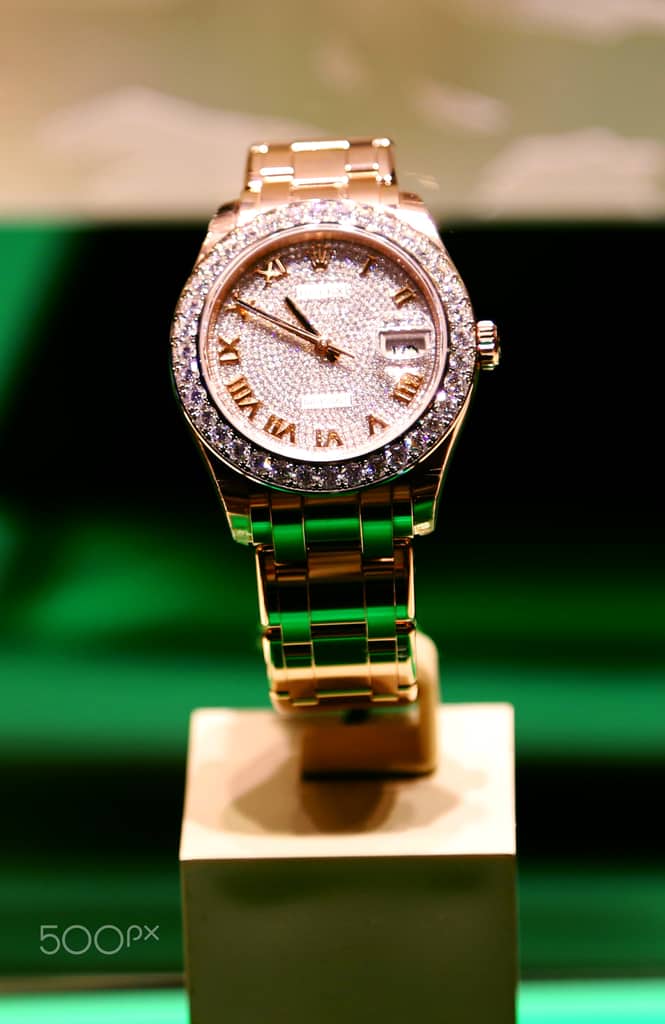
The same instinct runs through the company. Everose is a proprietary rose-gold alloy with a platinum trace added specifically to stop the copper leaching and the colour fading — a known failure mode of ordinary rose gold. Cerachrom bezels are sintered ceramic that cannot fade or scratch. Rolex casts its own gold in its own foundry.
None of these are necessary. All of them are why a forty-year-old Rolex still looks like a Rolex.
Buying implications
Weight and finish are useful authenticity signals precisely because of the alloy — we hold 993 Oystersteel watches and every one of them has that characteristic density.
And on the practical side: do not let anyone refinish an Oystersteel case with tooling meant for 316L. Ask specifically.
Browse the collection
Browse 993 Oystersteel watches across the collection, from £3,070.
Frequently Asked Questions
Marginally, in surface hardness. It scratches much like any stainless steel.
Progressively from the 1980s, on all steel models from around 2003, and renamed Oystersteel in 2018.
By the brightness of the polish, with practice. It is a supporting signal, not proof.