If you are buying one watch and selling another, part-exchange almost always beats doing the two separately. The dealer is earning margin on the sale, which gives them room on the purchase, and you avoid the fraud risk and the delay of a private sale. Here is how to do it well.
Why the numbers work in your favour
A dealer buying your watch outright makes money only on the resale of your watch, so they must buy at trade price. A dealer part-exchanging is making margin twice — on the watch you are buying and on yours when it resells — which means they can be more generous on yours.
The difference is real and it is frequently worth several hundred to a few thousand pounds on a five-figure watch.
Insist on two separate numbers
The most common way part-exchange goes wrong is the single "difference to pay" figure. It hides which side of the deal is generous and makes comparison between dealers impossible.
Ask for the price of the watch you are buying and the allowance on the watch you are selling, separately and in writing. Then compare those two numbers against other offers.
What affects the allowance
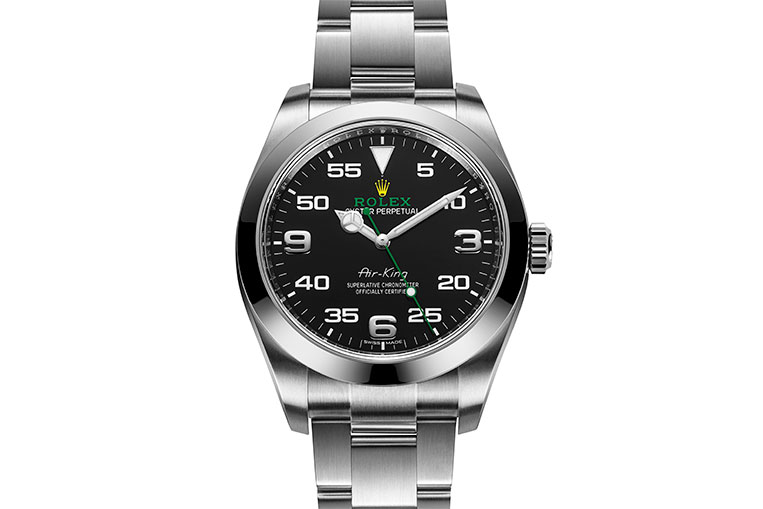
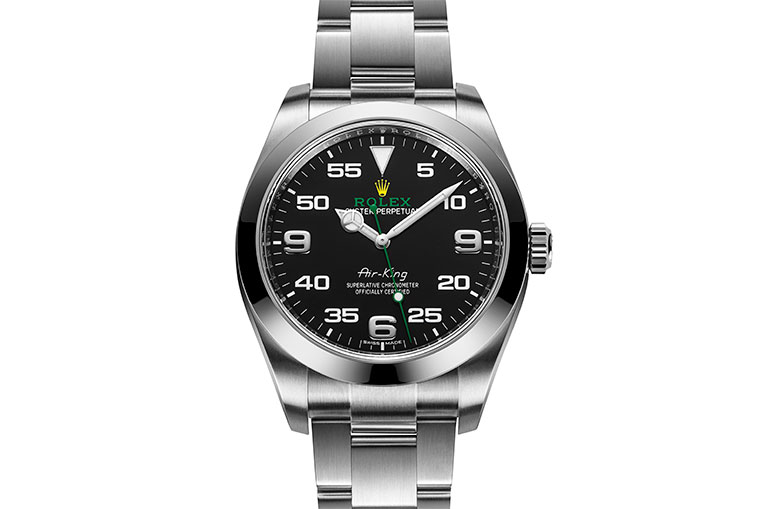
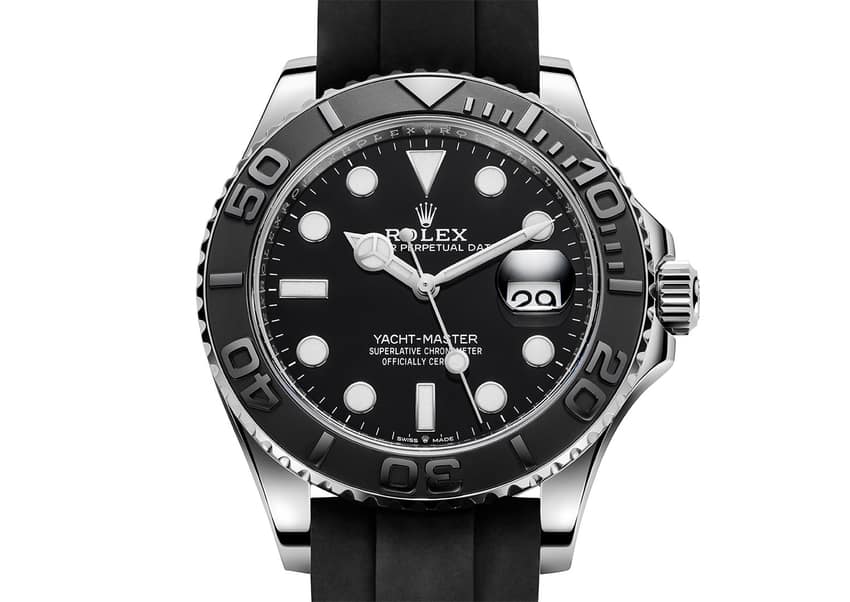
Reference and desirability first — a Submariner moves faster than a 34mm Oyster Perpetual, and a dealer pays for liquidity. Then condition, then completeness. We hold 1189 full sets, which tells you how much buyers value them.
Service history helps. Recent independent servicing with receipts removes the dealer's biggest unknown and is worth real money in the allowance.
What to bring
The watch, the box, the warranty card, any service records, spare links and the original purchase invoice if you have it. Bring all of it — every missing item is a deduction.
If you have removed links, bring them. A bracelet missing links is worth less because the next buyer may need them.
Do not polish, do not repair
Pre-sale polishing almost never pays for itself and can actively reduce the allowance on anything vintage or collectable. The same goes for having a scratch buffed out.
Disclose faults instead. A dealer who finds an undisclosed problem re-prices the deal; a dealer who was told about it up front prices it once.
The questions to ask
Is the allowance conditional on inspection, and what happens if the inspection finds something? How long is the offer valid? Is the watch I am buying in stock now or subject to arrival? What warranty comes with it?
Get the answers in writing before you hand anything over.
Browse the collection
We part-exchange against anything in the collection. See how part-exchange works or get a valuation on Sell Your Rolex.
Frequently Asked Questions
The private price is higher on paper; the part-exchange deal is usually better after risk, time and fees.
Usually yes. Ask for each to be valued separately.
No, but each missing item reduces the allowance.