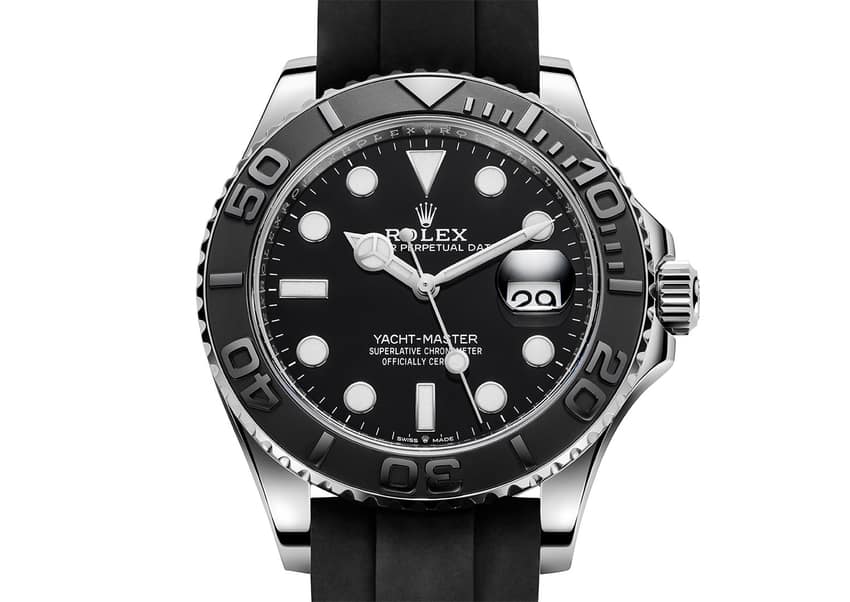
You have decided you want a Rolex. You go to an authorised dealer, and they explain that the model you want is not available, there is a list, they cannot say how long, and it would help if you had a purchase history. This is the normal experience in Britain in 2026. Here is what is actually going on and what to do about it.
Why the list exists
Rolex produces roughly a million watches a year, which is a lot of watches and nowhere near enough. Demand for a handful of steel sports references — Submariner, GMT-Master II, Daytona, Explorer — exceeds supply by a wide margin, and Rolex deliberately does not expand production to meet it.
Dealers allocate scarce stock to customers who buy other things. That is not corruption, it is rational allocation, but it means "the list" is not a queue.
What the wait actually costs you
Time, obviously — often years for a steel Daytona, and there is no guarantee at the end. But also money, in a way people rarely count: to move up an allocation list, many buyers purchase watches they do not want. A Datejust bought to earn a Submariner is a five-figure entry fee.
And there is the opportunity cost of not owning the watch. Five years of not wearing a watch you wanted is five years you do not get back.
What pre-owned actually costs
For most references, less than you think. The frantic 2021–2022 premiums over retail have largely gone. Several references now sit at or below their retail price second-hand, particularly outside the top handful of sports models.
Our 187 Submariners start at £6,595 and our 146 GMT-Master IIs at £7,290. Both are available today.
The depreciation argument, examined
The standard objection to pre-owned is that you are paying someone else's markup. In practice the opposite applies to Rolex: a watch that has already been through its first owner has taken whatever hit it was going to take, and it is now trading on the secondary market at secondary-market prices.
Buying pre-owned removes the risk of paying above retail and then watching the premium evaporate — which is exactly what happened to buyers who paid grey-market prices in 2021.
What you give up
A new watch in a sealed box with a five-year Rolex warranty and a card in your name. That is genuinely worth something, and if it matters to you, join the list.
What you get instead: the watch now, at a known price, with condition you can inspect, from a specific example you have chosen. Every watch we sell carries our own 24-month warranty and has been independently authenticated.
The case for doing both
Plenty of buyers register interest with a dealer for the watch they eventually want and buy something pre-owned to wear in the meantime. If the allocation arrives, they sell the interim watch — often for close to what they paid.
That is the most sensible strategy available, and it starts with actually owning a watch.
Browse the collection
Every watch in the collection is available today — 2376 authenticated watches, no list, no allocation, no purchase history required.
Frequently Asked Questions
For less in-demand references, often yes. For steel sports models, expect a long wait with no guarantee.
No. Grey market is unworn stock sold outside the official network, usually above retail. Pre-owned is second-hand.
Nobody knows. They have been broadly stable since the 2022 correction.